“coffee tree harvest” search results (3000)

Geographical Distribution cultivation techniques of Coffee trees
Coffee grows mostly in countries with alpine terrain between the Tropic of Cancer and the Tropic of Cancer. It is native to tropical Africa and is introduced and cultivated in South and Southwest China. [2] the cultivation technology editor requires that the origin of the coffee tree [4] is in Ethiopia in Africa. In botany, the coffee tree belongs to the evergreen tree of the coffee subgenus of Rubiaceae, and the so-called coffee bean is actually the fruit of the coffee tree.
2016-06-08 Coffee geographical distribution cultivation techniques coffee long promised land mostly located in Beihui
Introduction to cultivation techniques of Coffee Fruit
Cultivation techniques require that the origin of coffee trees [4] is in Ethiopia in Africa. In botany, coffee trees belong to the evergreen trees of the subgenus Rubiaceae, and coffee beans, commonly known as coffee beans, are actually the seeds of the fruit of coffee trees. They are called coffee beans only because they are shaped like beans. Climate is the decisive factor for coffee cultivation, and coffee trees are only suitable for growing in the tropics or subheat.
2016-06-13 Coffee fruit cultivation techniques introduction requirements coffee origin non-
Basic knowledge of coffee harvesting and processing methods of coffee beans
From the coffee-producing countries, we can find that since almost all coffee is produced in countries with more cheap labor, it can be guessed that the process of harvesting coffee beans requires a lot of manpower. Yes, the harvesting of coffee is very hard and requires a lot of manpower, especially in many high-quality coffee, which can only pick fully ripe red cherries from coffee trees.
2014-11-14 Coffee knowledge coffee basics common sense coffee beans harvesting processing
Harvesting and processing of coffee beans
Coffee trees wither after two or three days of flowering and begin to bear fruit after a few months. Coffee flowers are white, and jasmine flowers are very similar, the fruit is a drupe, straight about 1.5cm, at first green, then gradually yellow, ripe and red, and cherries are very similar, so it is called cherry coffee (Coffee Cherry), can be harvested at this time. Coffee fruit contains two seeds, also
2014-07-25 Coffee beans coffee bean processing coffee bean harvesting
Sweet and delicate sour Nicaragua coffee lemon tree estate introduction Nicaraguan coffee estate
Estate name:El Limoncillo Appellation: Matagalpa Town:Yasica Norte Estate Founded in 1932 Estate Owner Maria Ligia Mierisch Estate Elevation:1200 m Variety: JavaNica Coffee treatment: 95% water washing, 5% sun drying Later drying: Sun Dried Patios Harvest
2016-07-19 Delicate Nicaragua Coffee Lemon Tree Manor Description Name Lim
Harvest and processing methods of coffee beans General knowledge of fine coffee
From the coffee-producing countries, we can find that since almost all coffee is produced in countries with more cheap labor, it can be guessed that the process of harvesting coffee beans requires a lot of manpower. Yes, the harvesting of coffee is very hard and requires a lot of manpower, especially in many high-quality coffee, which can only pick fully ripe red cherries from coffee trees.
2015-03-20 Coffee beans harvesting processing methods boutique coffee common sense production junior high school
Cultivation techniques of coffee trees how would you like your latte coffee milk foam to be beaten?
The cultivation technology editor requires that the origin of coffee tree [4] is in Ethiopia in Africa. In botany, coffee trees belong to the evergreen trees of the subgenus Rubiaceae, and coffee beans, commonly known as coffee beans, are actually the seeds of the fruit of coffee trees. They are called coffee beans only because they are shaped like beans. Climate is the decisive factor for coffee cultivation. Coffee trees are only suitable for growing in the tropics or
2016-06-12 Coffee cultivation techniques Editors requirements Origin Africa
Introduction to the flavor and taste of Nicaraguan lemon tree manor coffee manor with sweet and fine acid
Manor name: El Limoncillo (Lemon Tree Manor) production area: Matagalpa (Matapa) Town: Yasica Norte Manor was founded in 1932 Maria Ligia Mierisch Manor elevation: 1200 m varieties: JavaNica coffee treatment method: 95% full washing, 5% sun drying: scaffolding solarization (Sun Dried Patios) harvest
2016-07-14 Sweet delicate Nicaragua lemon tree manor coffee producing area flavor taste
Introduction to Dominica Santo Domingo Coffee Flavor Manor with soft floral aroma
The increasing number of Kind Kaddura species was hit hard by the hurricane in 1998, resulting in countless losses, so it was common for the local area to switch to Kaddura species with lower tree height and higher harvest. Although Baraona still has Tibica coffee, its harvest has been greatly reduced because of the annual hurricane damage. The climatic conditions of planting Cultivation are the same as those of the highlands in Dominica.
2016-08-20 Flowers soft aroma Dominica Santo Mingo Coffee Flavor Taste Zhuang
Organic coffee beans grown in the shade of organic coffee trees are organic high-quality beans grown by natural methods.
Organic coffee is coffee that does not use synthetic pesticides, herbicides or chemical fertilizers during its growth. A brief introduction to these ways of growing coffee is conducive to maintaining a healthy environment and keeping the groundwater pure. After the coffee is harvested, be sure to use an organically certified roaster to process the coffee beans. Organic coffee is grown in the shade of trees.
2016-03-01 Organic coffee organic is in the growth process use synthesis insecticidal
The ratio of brewing coffee to water in the production process of coffee trees
After the fruit is harvested from harvest to delivery, the skin and flesh must be removed. The endocarp and silver peel are removed to form coffee beans. There are two kinds of methods: drying (natural drying, non-washing) and washing. Dry type, the operation is relatively simple, the harvested fruit will be spread on the dry ground and basked in the sun for a week or two. The sound of rattling can be heard when it is turned, which means it is dry. Then peel off the shell.
2016-06-07 Coffee production process proportioning get delivery fruit harvest must be skin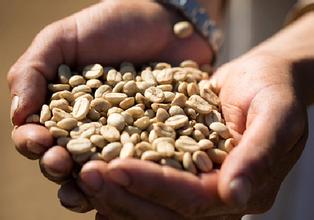
The latest introduction to the treatment of coffee raw beans
Raw coffee beans are the seeds of coffee trees. It is the wealth hidden in coffee cherries (coffee berries) that people usually call coffee cherries. They are mistakenly called beans because they are similar to the beans we usually see, but they are actually the seeds of coffee. Usually there are two flat oval coffee beans in the coffee berries, and there is only one in a few coffee berries.
2015-12-10 Boutique coffee raw beans latest introduction treatment methods seeds
Basic knowledge of Fine Coffee growth knowledge of Coffee trees
Coffee is a kind of drink, which gives the public the impression that it is black, bitter, sleepless and excited. The coffee beans we see in the coffee shop are tea-brown, which belongs to roasted coffee beans, while the color of the coffee liquid is amber. Coffee comes from coffee beans, which are harvested and processed from the fruit of trees. The growth habit of coffee: coffee
2014-12-29 Boutique coffee basics common sense growth knowledge one beverage public
La Minita Laminita
Country: Indonesia Name: Iskandar Origin: Lake Toba, Lintong,Sumatra Particle Size: 18 mesh Processing Method: Semi-washed Elevation: 1000-1800 m Variety: Arabica Iskandar Coffee is produced in Medan City, North Sumatra Province, near Lake Toba. Through La Minita's exquisite solarization techniques and three times
2014-09-26 Coffee knowledge Fine coffee Coffee beans Laminita
Temperature between 15 and 25 ℃. Climate. Recent coffee planting temperature.
The optimal planting conditions of conditional coffee trees are as follows: the temperature is between 15 and 25 ℃, and the annual rainfall of coffee trees must reach 1500 to 2000 mm, and the rainfall time should be in line with the flowering cycle of coffee trees. Of course, in addition to the seasonal rainfall, there should also be fertile soil and good drainage. Fertile soil containing volcanic ash
2016-06-18 Temperature between occasional climate recent coffee planting conditions ideal
The method of picking coffee beans
The winter (dry season) is the harvest time for coffee beans. After three to four years of growth, coffee trees mature and begin to bear fruit. The fruits are arranged in a string or clustered together next to the branches.
2014-09-02 Coffee knowledge methods of picking coffee beans
How many coffee beans can grow from a coffee tree?
From fruit to raw coffee beans: a coffee tree can harvest 3-5 kg of fruit, and raw coffee beans account for 1. 5% of the fruit quality. Going from fruit to raw coffee beans is really a time-consuming and laborious task. Arabica and Robusta Arabica coffee account for about 2% of the world's coffee production. The plant is not suitable for high temperature, low temperature, more rain and less rain. The coffee beans are oval and flat.
2015-10-15 One coffee can grow how much coffee beans fruit one
How are coffee beans removed?
Specialty coffee is also known as specialty coffee. It refers to coffee made from green beans with excellent taste characteristics grown in a few extremely ideal geographical environments. Depending on the particular soil and climatic conditions in which they are grown, they have outstanding flavors. This type of coffee is carefully selected and graded for its hard texture, rich taste and wind.
2016-05-24 coffee beans how pick boutique coffee specialty coff
Introduction to Raminita La Minita Coffee
Country: Indonesia name: Raminita Lintong,Sumatra production area: Lake Toba, Lintong,Sumatra Particle size: 18 mesh treatment: semi-washed altitude: 1000-1800 m Variety: Arabica Ikanda (Iskandar) Coffee is produced in Medan, North Sumatra, near Lake Lake Toba. Through La minita's exquisite sun technology and three times
2014-07-02 Coffee knowledge Coffee Encyclopedia individual Coffee
Introduction of cultivation and species of Coffee Tree
Cultivation techniques require that the origin of coffee trees [4] is in Ethiopia in Africa. In botany, coffee trees belong to the evergreen trees of the subgenus Rubiaceae, and coffee beans, commonly known as coffee beans, are actually the seeds of the fruit of coffee trees. They are called coffee beans only because they are shaped like beans. Climate is the decisive factor for coffee cultivation, and coffee trees are only suitable for growing in the tropics or subheat.
2016-06-13 Coffee cultivation introduction species cultivation techniques requirements Origin Africa